Vet, Farrier, Medical Care Concerns
It’s well documented that ‘better behaved’ animals get access to better health care. This is because it’s safer and easier for our much needed animal health professionals to do their job.
It is the duty of horse owners to ensure that their horse is as safe as possible. To be the best patient possible. This keeps people safe, but it also gives your horse access to an even better quality of health.
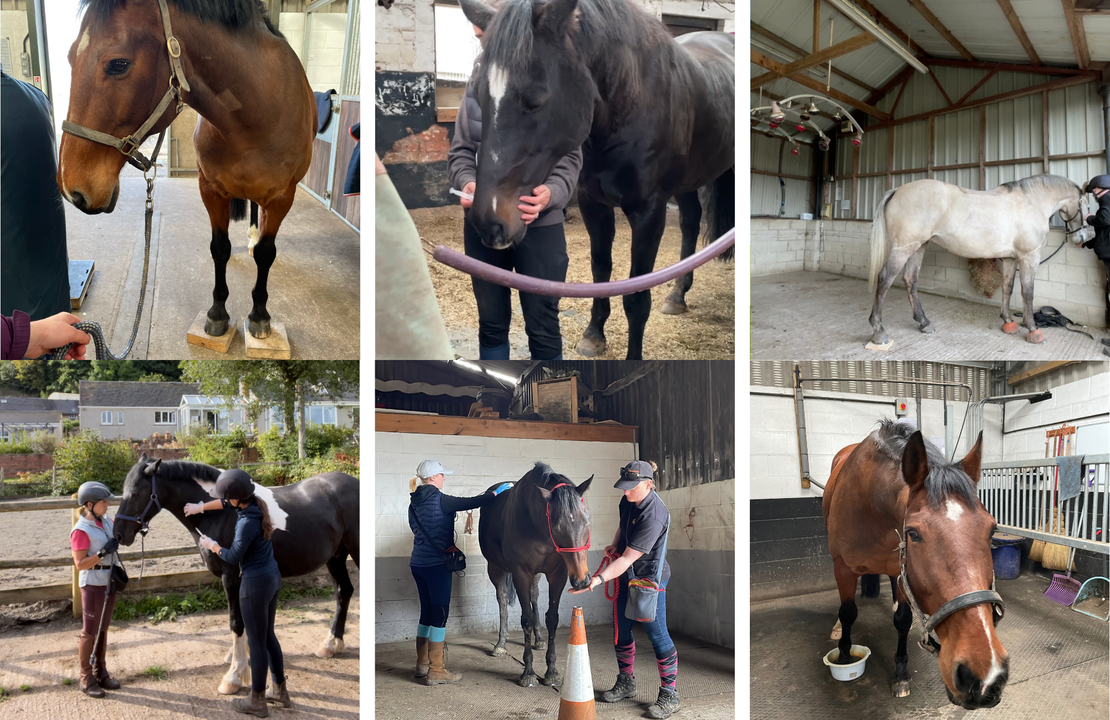
You’re Not Alone - You Are Not A Bad Owner.
If your horse struggles with the vet, farrier, dentist, or medical procedures, you’re absolutely not alone.Many owners feel embarrassed, frustrated, or even judged when their horse won’t tolerate injections, sedation, leg handling, clipping, or being examined. But these reactions are not a sign of bad training or poor ownership—they’re a normal response to fear, past pain, or confusion. Medical and husbandry procedures can be overwhelming for even the most well-handled horses, especially if those experiences have been linked to discomfort.
At The Equine Method, we specialise in helping horses become safer, more cooperative patients—whether that’s standing for the farrier, accepting vaccinations calmly, or tolerating handling during rehab or recovery. We use ethical, science-led training to help your horse build confidence and reduce fear-based behaviours, while supporting you with clear, compassionate guidance every step of the way.
Behaviour challenges around veterinary or health-related care are more common than many people realise - and they can happen to any horse, at any stage. You’re not failing your horse by asking for help. You’re advocating for their wellbeing, and that’s something to be proud of.
If you’re ready to feel more supported and want a calmer, safer experience for both you and your horse, please get in touch today.
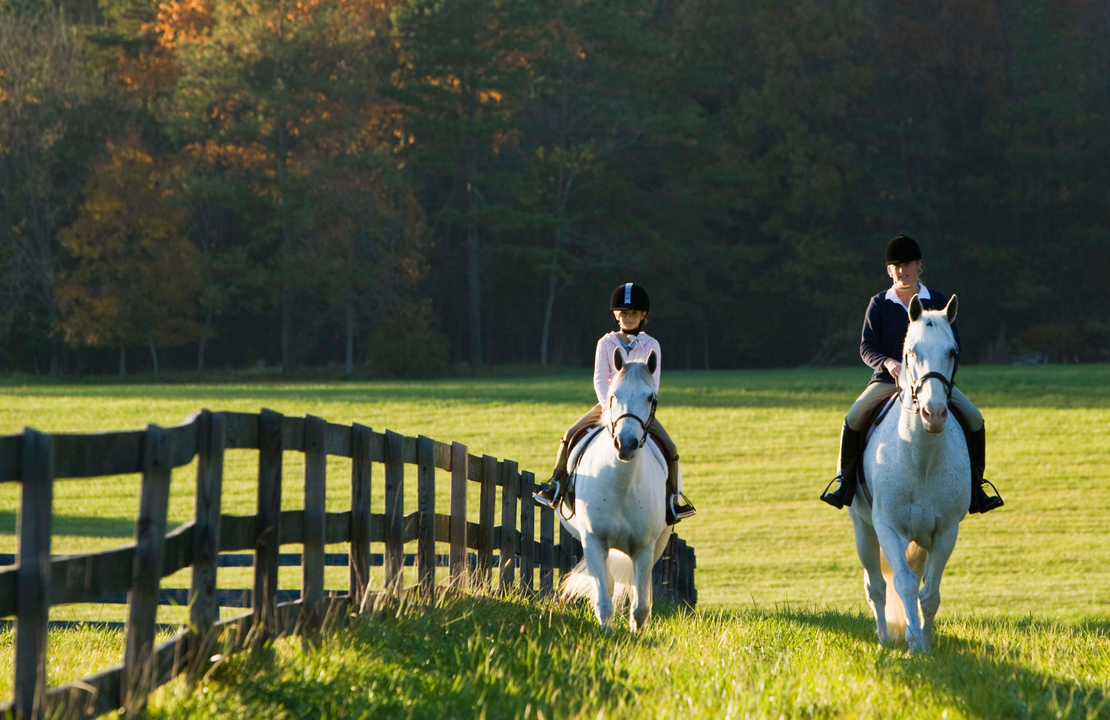
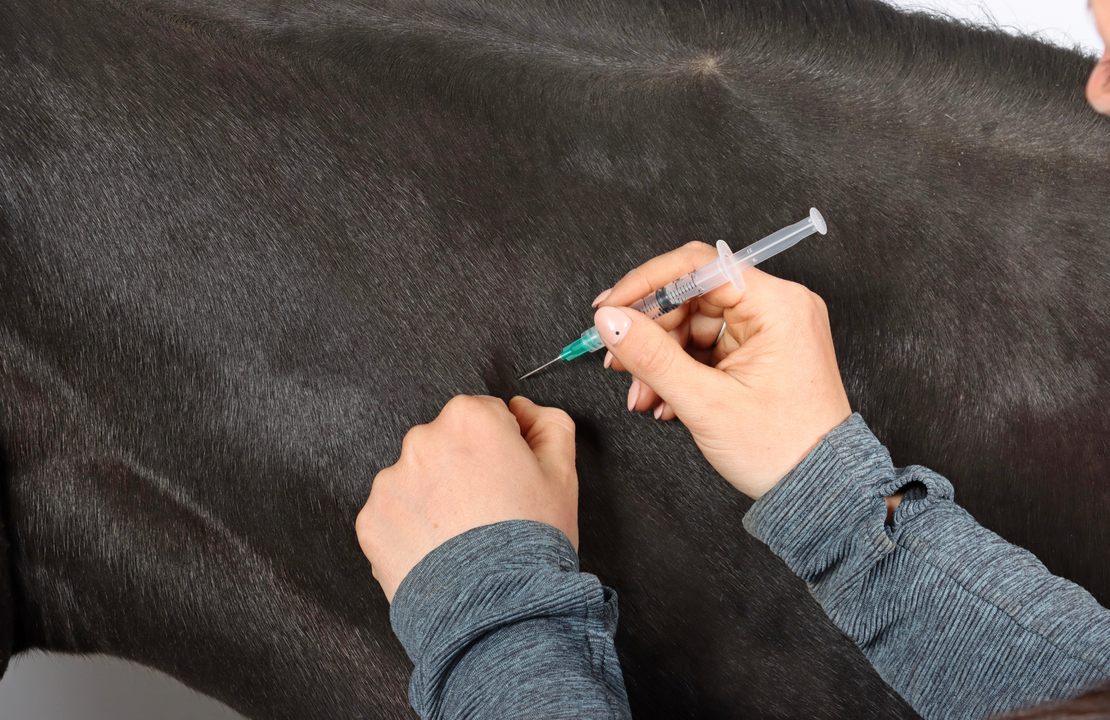
Fear of Vet and Needles.
For some horses, seeing the vet—or even just hearing the clippers switch on—can trigger panic. Whether it’s due to past trauma, a bad injection experience, or generalised anxiety, veterinary visits can become overwhelming for everyone involved. Needle phobia, sedation resistance, and fear of routine procedures can delay essential care. Through gentle, structured training, we’ll help your horse feel more relaxed and safe during vet visits, making it easier to administer vaccinations, perform diagnostics, or carry out routine treatments without stress or struggle.
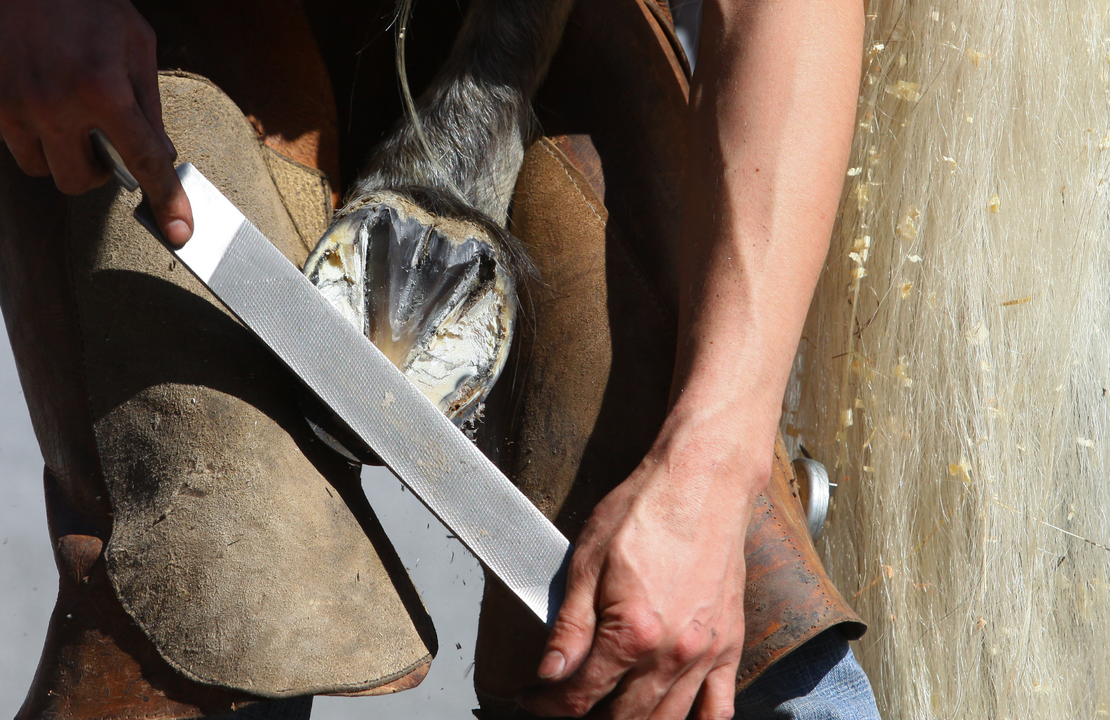
Fear Of Farrier.
Farrier visits can be difficult for horses with past handling trauma, leg sensitivity, or a general fear of being confined. Some horses won’t pick up their feet, lean heavily, or even lash out—making it unsafe for both the farrier and the horse. These behaviours are often rooted in fear, confusion, or pain memories. Together, we’ll work to make leg handling more comfortable and help your horse feel safe during trimming or shoeing. The goal is to create a calm, cooperative experience that supports long-term hoof health and safety for everyone involved.
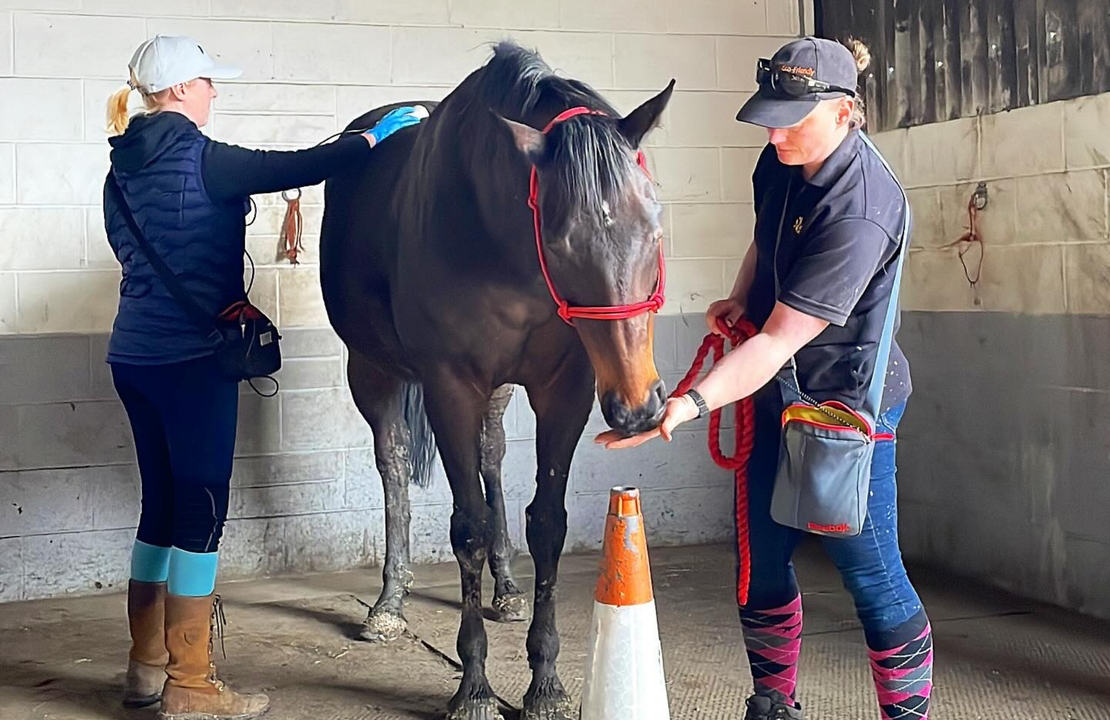
Be The Best Patient Possible.
Whether it’s standing still for x-rays, accepting clipping, tolerating dental exams, or allowing physical exams in sensitive areas—cooperative care can make a huge difference. These are teachable behaviours, and when approached with patience and science-led methods, they give horses a sense of control and choice. This results in less anxiety, fewer sedation needs, and a safer environment for everyone. We’ll build routines that help your horse feel more prepared, confident, and less defensive—so they can get the care they need without fear.
Post-Surgery & Rehabillitation
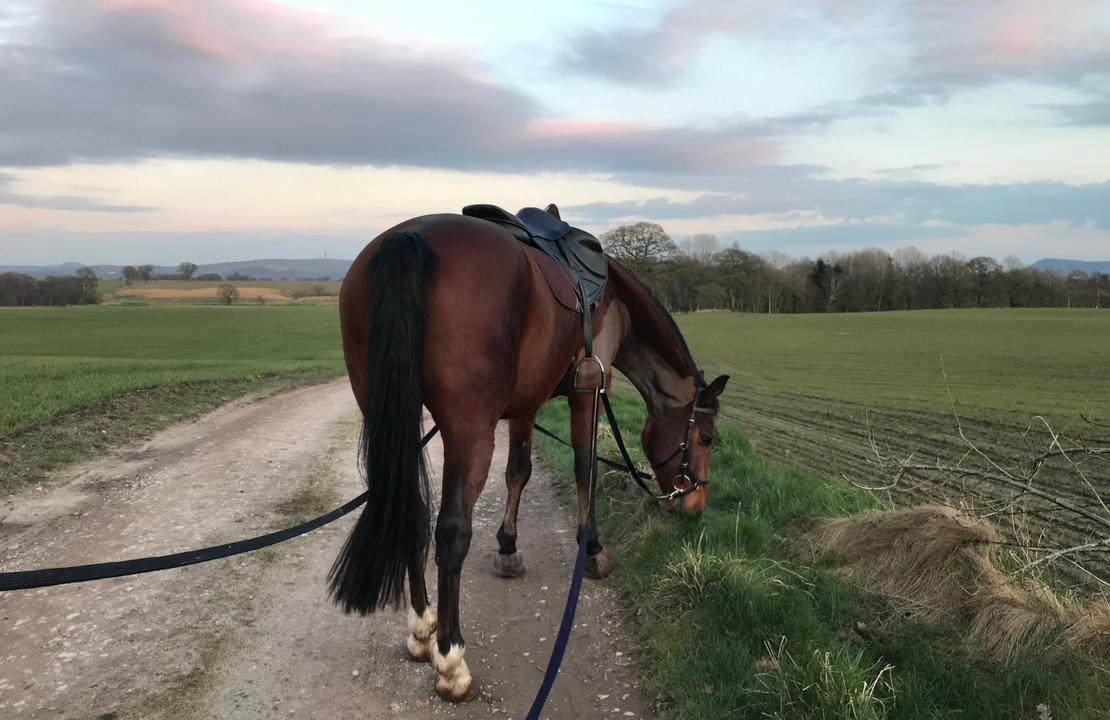
After surgery or injury, horses often develop new behaviours as a response to pain, vulnerability, or frustration. They might become resistant, overreactive, withdrawn, or suddenly “difficult” when handled or asked to move. This is a critical time for behavioural support. I work closely with vets and physios to support horses during this phase—helping them adjust to a new routine, reducing stress, and setting them up for a smooth, supported recovery. Behaviour modification is especially valuable here to prevent small frustrations turning into long-term issues.
Box Rest & Condinement
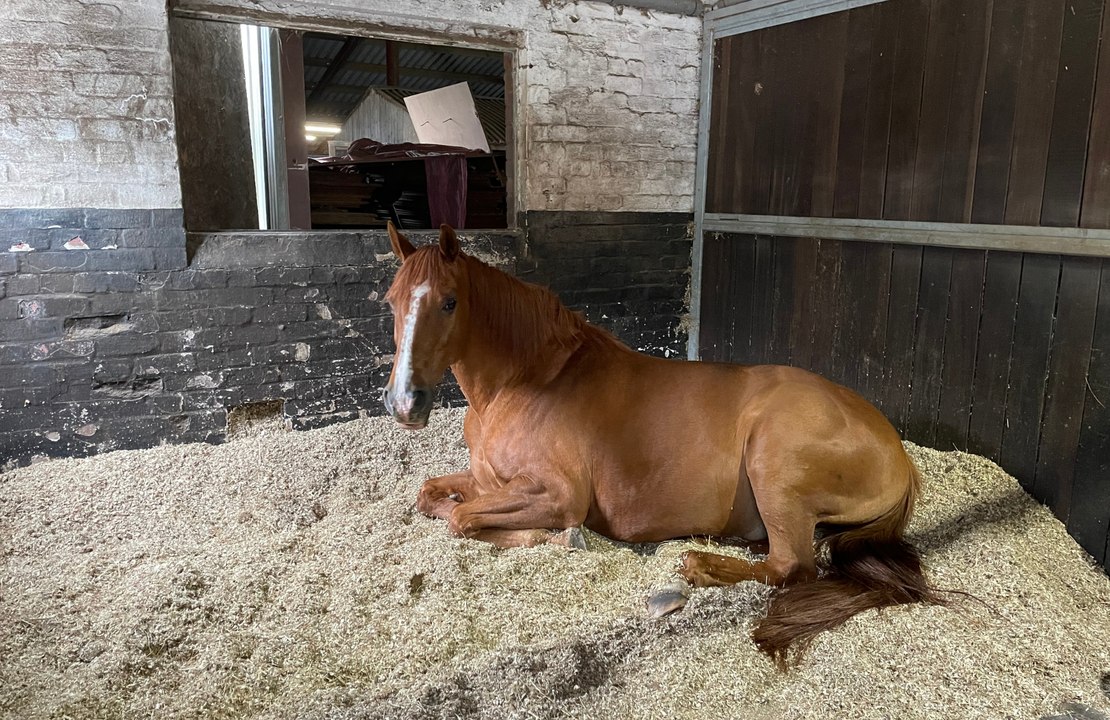
Box rest or limited turnout can be one of the most emotionally challenging times for a horse. Confinement often leads to rebound behaviours like reactivity, tension, barging, aggression, or extreme restlessness. These responses are normal, but they can become risky without the right support. I help owners manage this stage safely and compassionately—introducing in-stable enrichment, coping strategies, groundwork alternatives, and clear behavioural boundaries. Together, we’ll help your horse stay settled, stimulated, and safe while they heal.