For Vets
Referral Process
Choose Qualified
The Animal Behaviour and Training Council (ABTC) was established in 2010 to create a clear professional standard for behaviour practitioners. However, it’s still not a legal requirement for individuals to hold any qualifications to offer behavioural advice or call themselves a behaviourist.
Lack of regulation can lead to poor outcomes, confusing advice, and in some cases, dangerous situations for horse, owner and vet alike.
It also makes it harder for veterinary professionals and owners to know who to trust when it comes to behavioural support.
That’s why I’ve chosen to affiliate with the APBC and ABTC; organisations recognised for their high standards in ethics, education, and evidence-based practice.
Click Here For Veterinary Referral Form
Keeping Vets Safe
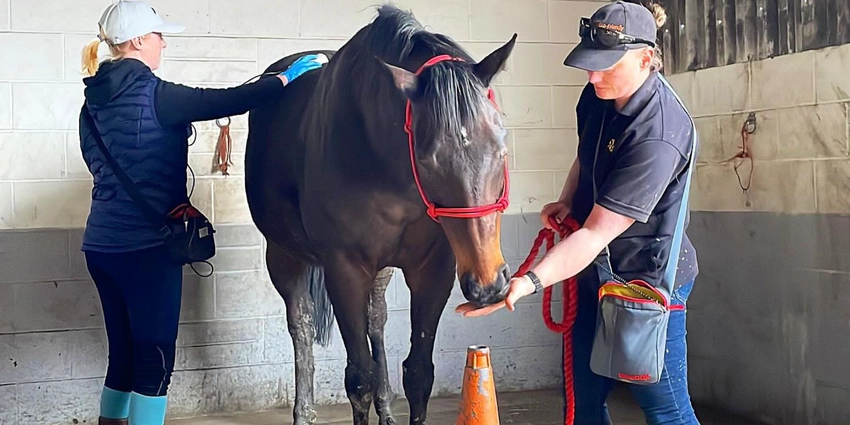
After working hands-on in the equine industry for over 15 years, I’ve seen first-hand just how dangerous poor handling and undiagnosed pain can be… not just for the horse, but for everyone involved in their care.
This reality became especially clear during my two years as Farm Supervisor at The Donkey Sanctuary, where I worked daily with donkeys and mules from backgrounds of neglect, abandonment, and abuse. Many arrived in a state of physical pain and deep psychological distress, often presenting as fearful or aggressive towards human contact. Through patient, consistent behaviour modification and close collaboration with vets, we were able to safely support these animals toward recovery and rehoming.
That experience left a lasting impact on how I approach behavioural work today.
It’s well understood that the more calmly and safely an animal can be handled, the better the standard of veterinary care it receives. Not because of bias or preferential treatment, but simply because:
Safe handling enables more accurate diagnostics, timely interventions, and reduced stress for everyone involved.
This belief is at the core of The Equine Method. My goal is not just to help clients “manage” behaviours, but to shape horses that are safer, more comfortable, and more cooperative for vets, farriers, dentists, and other professionals. I actively encourage and work toward this in every session.
It’s something I feel strongly about
Vets deserve to go to work and feel safe.
I am committed to supporting both horses and the people who care for them, so that medical and husbandry procedures can be carried out more safely, more effectively, and with less stress all around.
The Referral Process
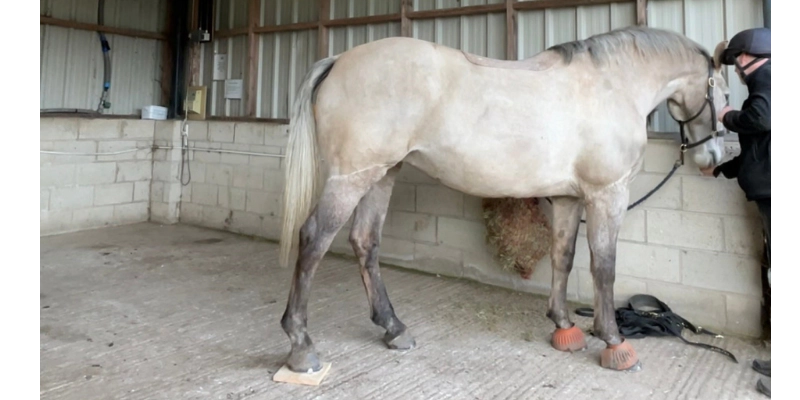
Complete the referal form below.
An Initial Consultation will be scheduled with the client in question. To find out more about The Equine Method Process, click here.
A detailed behavioural assessment report will be shared with both the referring vet and the owner. It will include my observations, potential differentials, an initial behaviour modification and management plan, long-term goals, and, where appropriate, recommendations for further veterinary investigation or support.
If it is deemed ethical and safe to proceed with behavioural modification, the client will receive ongoing follow-up sessions. The number and frequency of these will vary depending on the complexity of the case. Session notes will be kept and are available to the referring vet upon request.
Click Here For Veterinary Referral Form
Who Is The Equine Method?
Lastly, just a little about me, Jen Nash
I am a postgraduate-qualified equine behaviourist with an MSc in Equine Science, specialising in equine behaviour. In 2022, I was invited to present my academic research on nocturnal foraging, sleep, and locomotion in horses at the International Society of Equitation Science (ISES) Conference at Hartpury University — a topic that remains under-researched in equine welfare science. This work was also shared at the European Workshop on Equine Nutrition (EWEN) the same year.
My professional journey spans over 15+ years across the equine and animal welfare sectors. I previously held the role of Farm Supervisor at The Donkey Sanctuary, where I led the behaviour modification and rehabilitation programmes for donkeys and mules recovering from trauma, neglect, and abuse - helping prepare them for successful adoption through close collaboration with the rehoming and veterinary teams. This experience continues to shape my commitment to welfare-focused, ethical behaviour practice.
Alongside my practical work, I have also spent time lecturing FE and HE students in the Cheshire area—covering a wide range of topics such as husbandry, equine fitness, and practical handling skills, with a strong focus on equine behaviour at university level. I’ve contributed to curriculum development, exam writing, and degree programme moderation, actively promoting equine behaviour as a growing area of professional specialisation for future graduates.
I am the founder of The Equine Method, established in 2020, which offers behaviour consultancy grounded in learning theory, veterinary partnership, and individualised support for horse and rider. Since then, I have successfully worked with veterinary teams across Cheshire and wider UK regions, including some of the UK’s leading equine veterinary hospitals, delivering positive outcomes through collaborative, professional care. I work with a range of clients from recreational horse owners to world class competitive equestrians.
Additional qualifications: BSc in Equine Studies, BHS Accredited Professional Coach (with distinction) and a UKCC Level 2 Coach. I am also a Practitioner Member of the International Society for Equitation Science (ISES) and Full Member of the Association of Pet Behaviour Counsellors (APBC)*.
I adhere to the APBC and ABTC requirement for veterinary referral and operate within the scope of my professional competence. I complete a minimum of 30 hours of CPD annually to maintain best practice in both science and welfare. My membership details and certificate are availble on request and can be view on my social media channels.
At the core of my work is a belief that true behavioural progress happens when behaviourists, owners and vets work together, and I’m proud to offer a service built on collaboration, clarity, and compassion.
Qualifications & Memberships
- Clinical Animal Behaviourist – ABTC & APBC
- MSc Equine Science (specialising in equine behaviour)
- BSc Hons Equine Studies
- BHS Accredited Professional Coach (with distinction)
- UKCC Level 2 Coach
- Practitioner Member – International Society for Equitation Science (ISES)
Want To Chat Instead?.
Sometimes it’s just easier to have a chat first, especially if you have questions.
Let's Chat