Who Do We Help?
Long-time horse owners: who are faced with a new behavioural or training issue which has appeared ‘out of the blue’ and are lost for a way to fix it, or have already exhausted every other avenue
First-time horse owners: who want to better understand their new horse and ensure that their partnership begins with the best possible start
Safety conscious parents: who want nothing more than to keep their children safe while enjoying time with their pony
The ‘Getting back into Horses’ person: who used to be around horses years ago and has taken the plunge to get back into horses, but might be struggling to regain their confidence, or feels ‘behind the times’ in their knowledge and skills
Those who have lost confidence: possibly following an incident or simply through long-term difficulties handling horses
The Equine Method is here for the horse owners who are feeling lost, who are without support and who feel that there is no one out there willing to take the time to really listen to them.
The Equine Method is here to provide support, expertise and 1:1 coaching using evidence-based training.
What Makes The Equine Method Different
Most training methods focus on obedience. The Equine Method focues on understanding, because safety and success come from clarity, not control.
As an ABTC-CAB and Full Member of the APBC (CAB, MSc, BSc Hons, BHSAPC, SEBC, UKCC2), Jen combines years of academic knowledge with hands-on experience across ridden, groundwork, and medical-handling cases.
The Equine Method approach is grounded in learning theory, using positive and negative reinforcement correctly, fairly, and ethically to ensure your horse learns without fear or confusion.
The Equine Method works collaboratively with your vet and other professionals, so that any underlying discomfort or pain is identified and addressed first. For some cases, we can liaise directly with your veterinary team to support sedation-free handling plans.
Did You Know?
90%
of large animal clinicians experienced injury during their careers, versus a third of non-clinical staff. Injuries to equine veterinarians were predominately kicks to the leg or head, and usually involved the examination of a horses distal limb, most were not wearing hard hats
Tulloch, et al., (2025)
Its only a flesh wound: understanding the safety culture in equine, production animal and mixed veterinary practices
73x
of horses thought to be working comfortably by their owners were found to be lame (≤ grade 2/8) on one or more limbs
Dyson & Pollard, (2020)
Application of a Ridden Horse Pain Ethogram and Its Relationship with Gait in a Convenience Sample of 60 Riding Horses
53%
of non-raced, pleasure horses in a sample of 201 horses, were graded as having Equine Gastric Ulcers of grade 2 or more
Lúthersson et al. (2009)
The prevalence and anatomical distribution of equine gastric ulceration syndrome (EGUS) in 201 horses in Denmark
47%
of sports horses in normal work may be lame, with lameness often going unrecognized by owners or trainers. Behavioural ethograms can help identify these cases, as lame horses consistently show more pain-related behaviors than non-lame horses.
(Dyson et al. (2018)
Development of an ethogram for a pain scoring system in ridden horses and its application to determine the presence of musculoskeletal pain
Handling
Difficulties
✔ Leading difficulties
✔ Barging/ Bolting
✔ Standing at the mounting block
✔ Difficulties when lunging/ long reining or any ground work related exercise
✔ Biting/ Mugging
✔ Tacking up
✔ Hosing legs and full body washing
✔ Clipping concerns
✔ Rushing over poles/ jumps when lunging etc.
Ridden
Issues
✔ Spooking and ‘shying’ behaviour
✔ Napping
✔ Rushing, refusing (flat work and jumping)
✔ ‘Misbehaviour’ when schooling and/or jumping
✔ Improving the responsiveness to the aids when riding, including brakes!
Supporting Equine
Professionals
It’s not just horse owners who need behavioural support
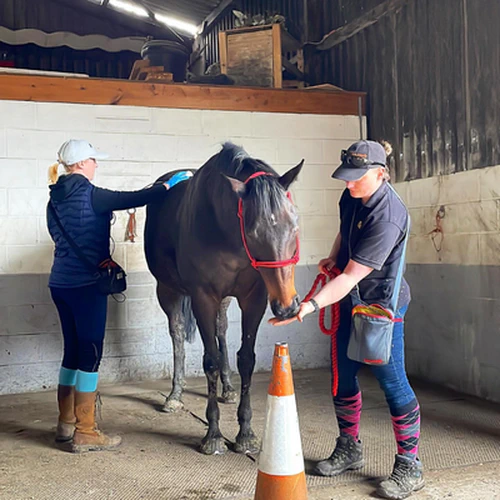
✔ Stand safely for the Farrer
✔ Standing safely for injections/ vaccinations
✔ Accept oral syringes with confidence
✔ Overcome needle phobia
✔ Overcome fear and aversion to strangers
Helping Horse Owners, Just Like You
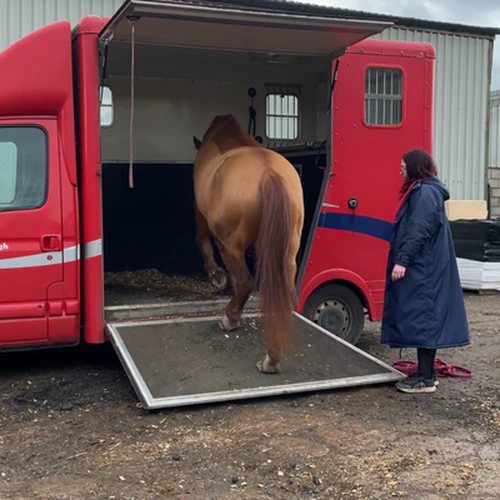
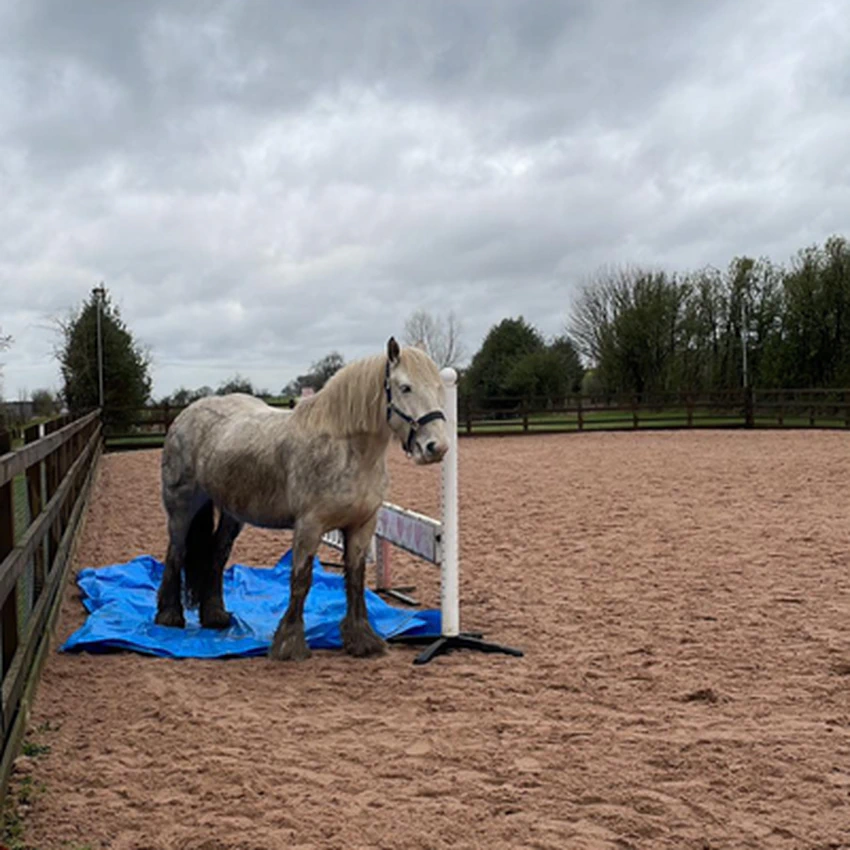
The Equine Method is a tailored 1:1 system, supporting horse owners like you, through challenging equine behaviour.
Want To Get Started?
Click on the button below to take the first steps towards a safer, more successful and more confident horse-human partnership
Let's Get Started